
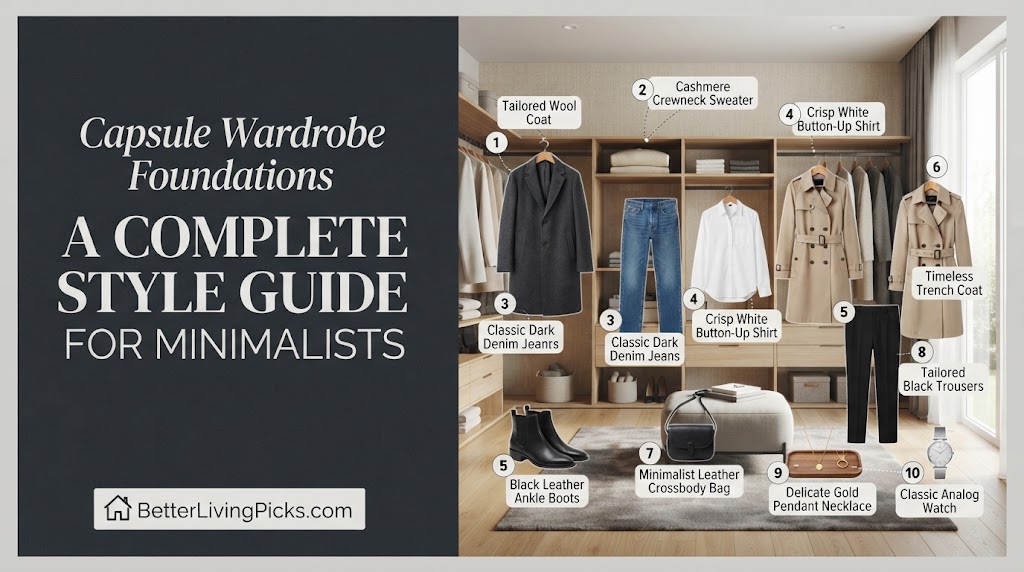
A curated collection of versatile clothing items that mix and match to maximize outfit options while minimizing total garment count.
2. How many pieces should a minimalist wardrobe include?
Most minimalist collections range between 30 to 40 items, excluding underwear, workout gear, and formal evening wear.
3. How do I choose my base color palette?
Select two neutral core colors like black, navy, gray, or white, paired with one accent color to tie every piece together.
4. How often should a capsule wardrobe be rotated?
Transition your wardrobe pieces four times a year to align with seasonal weather shifts and fabric weights.
Cluttered closets drain time, energy, and decision-making capacity every single morning. Staring at an overflowing rack of clothes while feeling like you have nothing to wear is a frustrating universal experience.
Building a minimalist capsule wardrobe eliminates daily outfit friction by focusing on high-quality, interchangeable garments. This comprehensive guide walks you through the exact process of auditing, selecting, and maintaining a streamlined closet.
For versatile, heavy-duty garment organization without permanent wall modifications, use modular tension-rod systems paired with commercial-grade adhesive hooks. They deliver maximum stability while preserving surface integrity.
The True Cost and Mechanics of Traditional Closet Overload

Traditional closet organization often fails because garments lack a cohesive structural framework. Overstuffed shelves bow under weight, and disorganized rods collapse from poor load distribution.
Understanding physical load limits in your closet architecture ensures your new minimalist collection hangs securely. Reinforcing shelving systems prevents catastrophic wardrobe avalanches.
Identifying Structural Failure Points in Standard Shelving
Wire shelving units frequently sag under heavy winter coats and dense denim stacks. Inspecting brackets and wall anchors regularly prevents sudden structural failure.
Distributing weight evenly across wooden rods protects brackets from bending. Upgrading to solid wood shelving provides long-term stability for dense capsule collections.
The Psychological Toll of Visual Noise and Decision Fatigue
Staring at a chaotic mass of clothes triggers cognitive overload before your day even begins. Simplifying your visual field restores morning mental clarity.
Reducing choices directly correlates with lower stress levels and heightened focus. A clean closet transforms a mundane chore into an intentional ritual.
The Complete Arsenal of Minimalist Wardrobe Tools
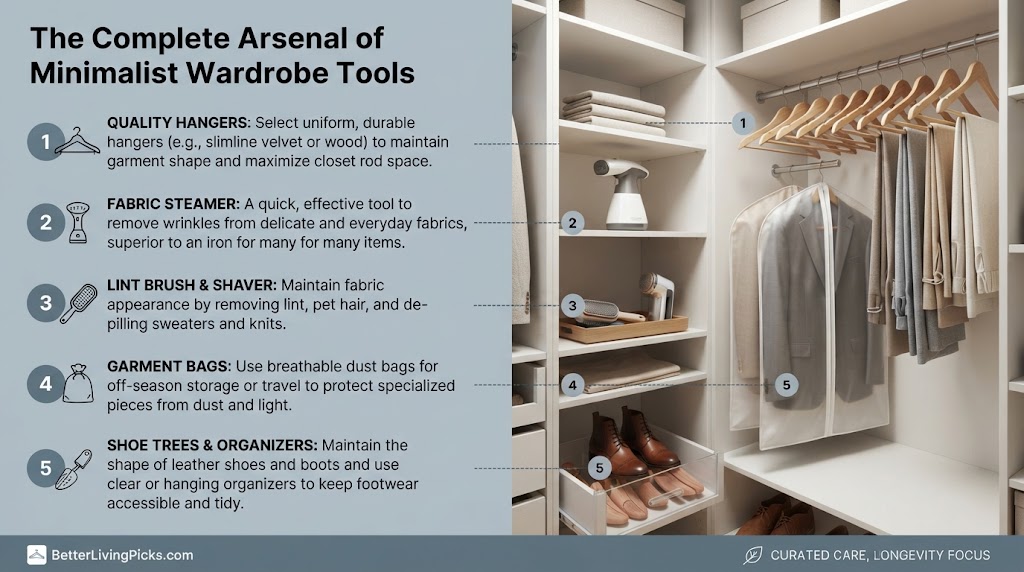
Minimalist design extends beyond clothing to the physical spaces you inhabit. Utilizing non-permanent hardware protects rental walls and custom closet installations.
Choosing the right anchoring tool depends on surface material, weight distribution, and aesthetic preferences. Modern adhesive technologies provide heavy-duty holding power without permanent drilling.
Selecting Versatile Foundational Garments
Focus on structural pieces that span multiple seasons and settings. Crisp white button-downs and tailored trousers form the bedrock of any solid capsule.
Prioritize fit over label prominence to ensure maximum wearability. Every chosen piece must coordinate seamlessly with at least three other items.
Integrating Modular Organization Hardware
Modular shelving adapts dynamically as your clothing inventory shifts across seasons. Implementing adjustable hanging tracks maximizes vertical storage space efficiently.
Advanced Fabric Preservation and Pest Mitigation Protocols
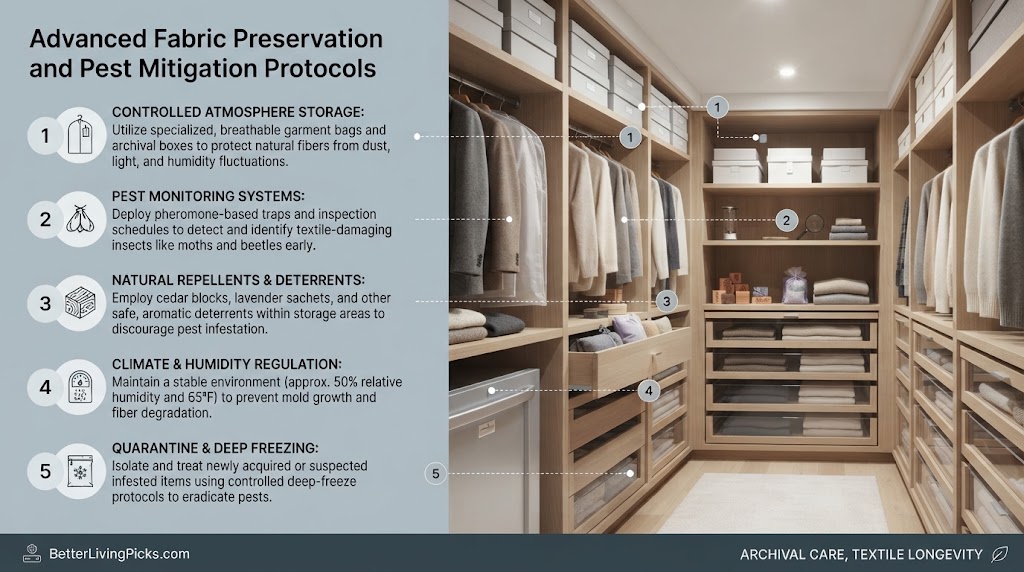
- Micro-Fiber Protection Barriers: Deploy breathable, tightly woven organic cotton garment bags for long-term storage to prevent microscopic dust infiltration and fiber abrasion.
- Organic Pest Deterrence Integration: Arrange untreated red cedar blocks and dried lavender sachets strategically across shelving units to naturally repel clothes moths without toxic chemicals.
- Hygrometric Monitoring Systems: Maintain ambient closet humidity levels strictly between 40% and 50% using silica gel packets or dehumidifying rods to inhibit mold spores and mildew growth.
Safeguarding your capsule wardrobe from environmental degradation ensures your foundational pieces retain their structural integrity and pristine finish across multiple years of active wear. Investing in preventive textile care eliminates the financial waste of premature replacements caused by moth damage or moisture rot. This rigorous maintenance routine protects your carefully curated investment and preserves the high-performance qualities of natural fibers.
Capsule Evolution and Personal Uniform Design
- Signature Uniform Architecture: Establish a personal style archetype by identifying three reliable silhouettes that match your daily professional and personal responsibilities.
- Color Palette Maturation: Allow your neutral base to evolve slowly over multi-year cycles, transitioning from cool grays to warm earth tones based on genuine lifestyle shifts.
- Accessory Rotation Strategies: Update the aesthetic feel of a mature capsule solely through seasonal accessory swaps, eliminating the need to buy entirely new seasonal wardrobes.
Developing a signature personal uniform streamlines your creative energy, turning daily dressing into an unconscious, highly efficient routine. Allowing your capsule to mature alongside your evolving career and lifestyle ensures your wardrobe remains deeply authentic rather than rigidly dogmatic. This strategic evolution transforms minimalism from a temporary aesthetic constraint into a lifelong practice of intentional, effortless style.
Deep Dive Into Material Science: Quality Over Quantity
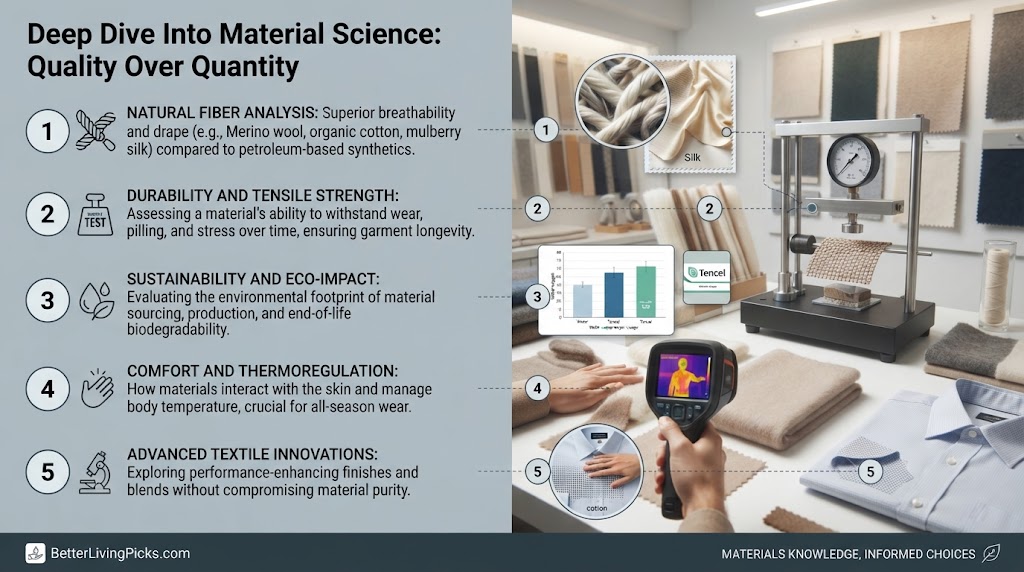
Pressure-sensitive adhesives and fabric weaves both rely heavily on material integrity. Understanding what your clothes are made of dictates how long they will survive frequent laundering.
Investing in pure natural fibers reduces synthetic microplastic shedding and improves skin comfort. Quality construction safeguards your financial investment over years of wear.
Understanding Fabric Durability
Cotton, wool, and linen offer superior breathability and structural longevity compared to cheap polyester blends. Inspecting seam stitching reveals whether a garment will endure heavy rotation.
Reinforced stress points on cuffs and collars prevent premature fraying. Prioritize densely woven fabrics that resist pilling over time.
How Molecular Weave and Weight Dictate Wearability
Mid-weight textiles transition effortlessly between cool autumn days and warm indoor office spaces. Tighter molecular weaves resist wind penetration without adding unnecessary bulk.
Selecting the correct GSM (grams per square meter) ensures your garments maintain their shape after repeated cleanings.
Step-by-Step Guide to Laboratory-Grade Closet Auditing & Prep

Surface preparation and wardrobe purging both require systematic discipline. Skipping steps leads to compromised results whether you are cleaning walls or clearing hangers.
Emptying the entire closet onto your bed forces an honest evaluation of every single garment you own. Categorizing items into keep, donate, and discard piles accelerates the decision process.
The Rigorous 6-Month Rule
If a garment has remained untouched in your closet for two full seasons, it belongs in the donation pile. Holding onto clothes for “someday” scenarios creates unnecessary mental friction.
Be ruthless with items that require constant tailoring or special undergarments to wear comfortably.
Deep-Cleaning and Reorganizing Physical Space
Vacuum out accumulated dust bunnies from baseboards and corners before reloading your cleaned closet. Wipe down hanging rods with a damp microfiber cloth to remove residual hanger grime.
Capsule Ergonomics and Spatial Mechanics

- Rod Load Distribution: Calculate safe weight loads across hanging systems by measuring linear foot density and bracket anchor spacing.
- Ergonomic Reach Zones: Position high-frequency capsule items within primary accessibility zones between shoulder and waist heights to minimize physical strain.
- Fold Compression Limits: Restrict stack heights for knitwear to prevent deep creases and localized fiber degradation over extended storage periods.
Optimizing the physical ergonomics of your closet space ensures that accessing your daily minimalist wardrobe requires zero physical friction. Designing layout tiers around natural human reach zones transforms routine clothing selection into a seamless, intuitive experience. This spatial discipline preserves the structural integrity of every garment while maximizing efficient use of your available square footage.
Visual Balance and Textural Contrast Optimization
- Monochromatic Hierarchy: Combine matte, textured, and glossy fabric finishes within a single neutral color palette to create optical depth without adding loud hues.
- Proportional Scaling: Balance oversized outerwear silhouettes with streamlined lower-body garments to maintain clean visual lines across your capsule.
- Hardware Integration: Coordinate metal finishes on belt buckles, bag closures, and zippers to unify diverse outfits effortlessly.
Mastering visual texture and proportional contrast prevents a minimalist wardrobe from feeling sterile or uninspired. Introducing subtle variations in fabric weaves such as pairing a smooth poplin shirt with a raw denim trouser adds sophisticated depth to simple outfits. This design strategy ensures your limited clothing inventory delivers maximum stylistic impact through clever tactile coordination.
Curating Tops, Bottoms, and Layers for Maximum Interchangeability
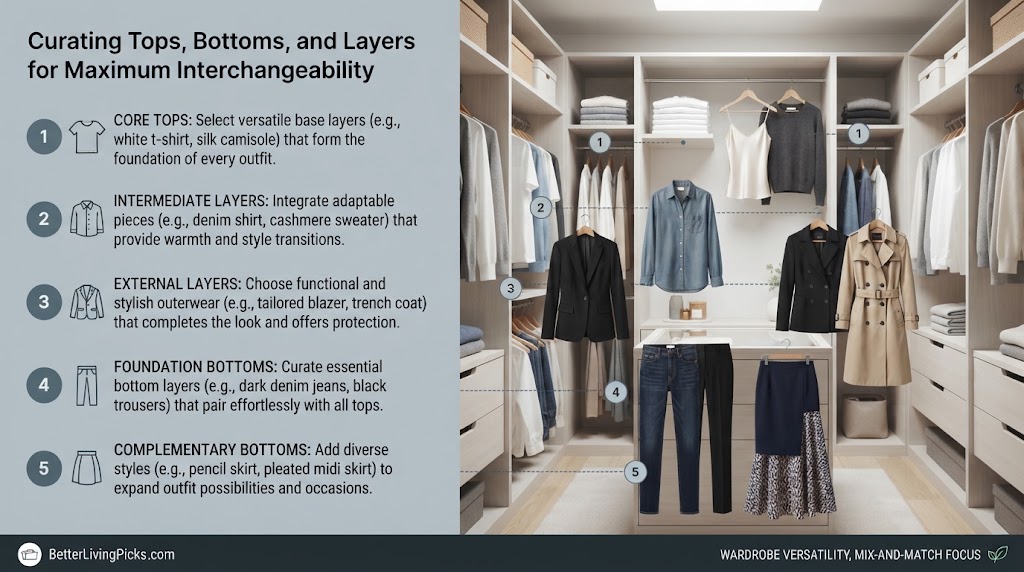
A functional capsule relies on proportional balance between upper and lower garments. Every top should pair harmoniously with at least two different bottoms.
Investing in neutral layering cardigans or tailored blazers instantly elevates casual tees into polished workwear.
Building a Cohesive Color Palette
Choose two foundational neutrals like navy and charcoal gray as your primary anchors. Introduce one seasonal accent color to give your outfits visual depth.
Avoiding overly vibrant neon shades ensures effortless pairing across different styling contexts.
Mastering Transitional Layering Pieces
Lightweight outerwear bridges the gap between fluctuating morning and afternoon temperatures. Trench coats and unstructured blazers add instant sophistication without heavy bulk.
Circular Lifecycle Management and Textile Recycling Protocols
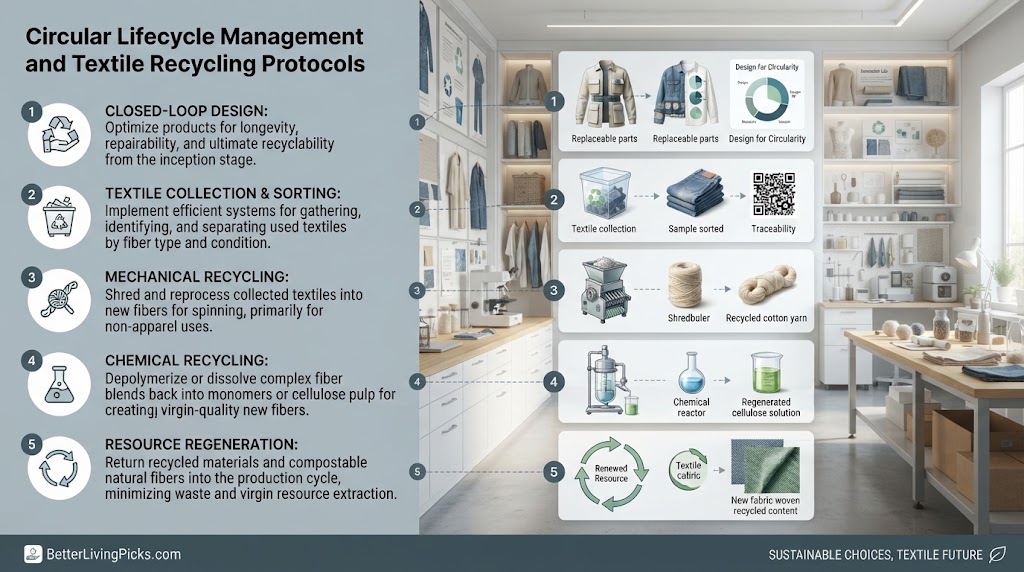
- End-of-Life Material Sorting: Categorize decommissioned garments by fiber composition separating pure natural textiles from synthetic blends to ensure accurate routing for industrial recycling facilities.
- Upcycling and Hardware Salvage: Harvest functional metal zippers, brass buttons, and intact leather patches from unwearable garments before sending remaining fabrics to textile recovery bins.
- Closed-Loop Partnership Engagement: Establish direct drop-off routines with certified local textile stewardship programs that guarantee zero landfill diversion for discarded capsule pieces.
Managing the final phase of a garment’s lifecycle closes the loop on sustainable minimalist ownership. Recognizing that even high-quality capsule items eventually wear out ensures you maintain an active strategy for responsible disposal rather than letting old clothes collect dust. This systematic approach guarantees that your closet decluttering efforts actively support circular economy principles and minimize environmental impact.
Psychological Resilience and Consumerism Reframing
- Impulse Delay Thresholds: Implement a mandatory fourteen-day waiting period for any non-replacement clothing acquisition to bypass immediate dopamine-driven purchasing triggers.
- Identity Decoupling: Separate personal self-worth and social status from fast-moving apparel trends, grounding identity in personal values and creative output instead.
- Gratitude Auditing: Conduct monthly inventory reflections focusing on the functional reliability of existing items to cultivate deep satisfaction with your current capsule.
Shifting your internal psychology regarding consumer culture is the ultimate foundation for lasting minimalist style. Overcoming the constant urge to acquire new garments breaks the cycle of advertising-driven dissatisfaction and consumer fatigue. This mental discipline fosters genuine contentment, turning your streamlined wardrobe into an expression of intentional living rather than a temporary trend response.
Engineering Solutions for Footwear and Accessories

Accessories and shoes carry disproportionate visual weight in a minimalist outfit. Rationalizing your footwear collection down to four essential pairs simplifies travel and storage.
Store leather shoes on cedar shoe trees to maintain shape and absorb lingering moisture.
Rationalizing Shoe Collections
Limit your lineup to a clean white sneaker, a classic leather loafer, a versatile ankle boot, and a formal dress shoe. This quartet covers every conceivable social or professional engagement.
Utilizing Minimal Accessories
Elevate basic outfits with a single statement watch, a minimalist leather belt, or a structured tote bag. Avoid cluttering your look with excessive jewelry.
Advanced Seasonal Rotation Frameworks

Quarterly wardrobe transitions keep your closet relevant and prevent clutter accumulation. Storing out-of-season garments protects delicate fabrics from environmental degradation.
Use clear, breathable cotton canvas storage bags rather than sealed plastic bins to prevent mold growth.
Storing Out-of-Season Garments Correctly
Wash all garments thoroughly before long-term storage to deter fabric moths and permanent staining. Include natural cedar blocks inside storage bins for organic pest control.
Quarterly Review Protocols
Evaluate fit, wear patterns, and lifestyle shifts every three months. Adjust your core piece count to accommodate changing professional or personal routines.
Common Mistakes That Cause Capsule Wardrobe Failure and How to Fix Them

Rushing into minimalism by purging everything at once often leads to frantic shopping remorse. Build your capsule gradually over several weeks of deliberate testing.
Ignoring your actual lifestyle requirements results in a wardrobe filled with impractical formalwear or unwearable fabrics.
Falling Into the Trap of Fast Fashion Trends
Resist the temptation to fill your capsule with hyper-trendy items that expire within a single season. Stick to timeless silhouettes that endure for years.
Over-Restricting Color Palettes
Removing all color creates sterile outfits that induce rapid style boredom. Balance your neutrals with subtle textures and muted earth tones.
Advanced Garment Sourcing and Ethical Brand Selection
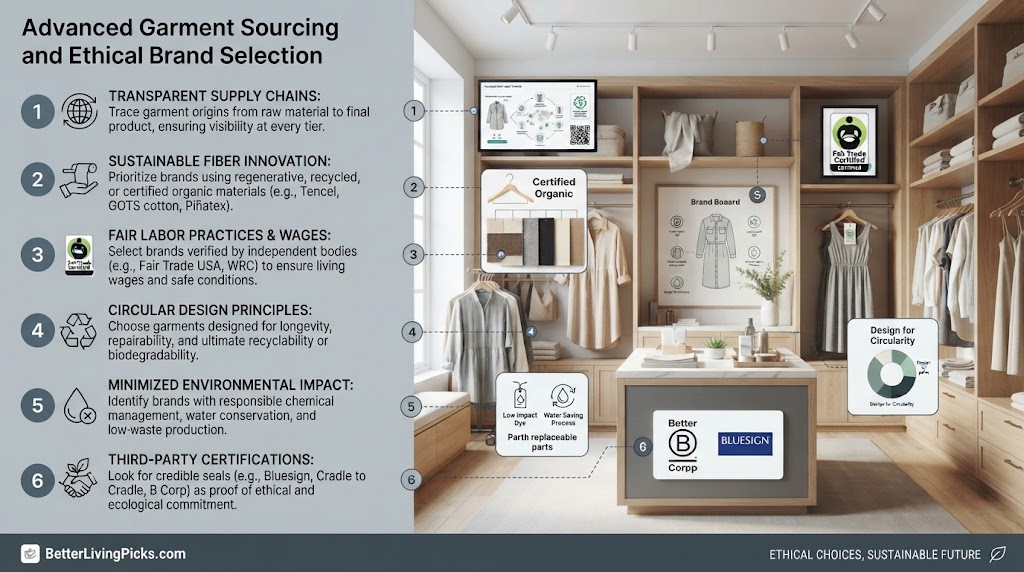
Building a truly minimalist closet extends beyond personal convenience to encompass the ethical lifecycle of every garment you purchase. Researching transparent supply chains ensures your foundational pieces are produced under fair labor conditions with minimal environmental degradation. Prioritizing certified B-Corp labels and small independent workshops guarantees that your investment supports sustainable agricultural and manufacturing practices.
Shifting your buying habits toward slow fashion radically alters how you value your clothing inventory over time. When you understand the true human and ecological cost behind fabric production, impulse shopping naturally declines in favor of deliberate curation. This mindful approach creates a harmonious wardrobe built on mutual respect between the maker, the environment, and the wearer.
Traveling Light: The Capsule Wardrobe on the Road
Packing for extended trips becomes an effortless exercise when your entire daily wardrobe functions as an interchangeable capsule system. Selecting garments that mix and match seamlessly eliminates the anxiety of overpacking luggage or checking bags for short getaways. By relying on wrinkle-resistant natural blends like merino wool and lightweight jersey, you can pack a full week of outfits into a single carry-on bag.
Strategic layering during travel protects you from fluctuating cabin temperatures and changing regional weather patterns without requiring bulky outerwear. Rolling your garments instead of folding them maximizes internal suitcase space while naturally preventing deep creases. This streamlined travel philosophy lets you focus entirely on your destination rather than managing excess luggage.
Maximizing Small Closet Layouts and Vertical Space

Optimizing compact closets requires creative vertical alignment and custom tiering. Utilizing double hanging rods doubles your available storage capacity instantly.
Hanging lesser-used accessories on back-of-door racks frees up prime eye-level shelf space.
Utilizing Slim Profile Hangers
Traditional wooden hangers consume excessive lateral space in tight apartment closets. Upgrading to uniform flocked velvet hangers keeps clothes locked firmly in place.
The Psychology of Less: Emotional Freedom Through Minimalism
Simplifying your wardrobe reduces daily cognitive friction and builds unshakeable personal confidence. Focusing on quality over sheer quantity shifts your relationship with consumer culture.
Owning fewer things allows you to appreciate the enduring value of what remains in your closet.
Cultivating Contentment Through Intentional Consumption
Breaking the cycle of fast fashion purchases frees up significant financial resources for meaningful life experiences. Mindful buying ensures every new addition serves a distinct purpose.
Sustainable Garment Care and Long-Term Maintenance
Proper washing techniques dramatically extend the functional lifespan of minimalist wardrobe staples. Air-drying natural fibers prevents high-heat shrinkage and fabric degradation.
Treat stains immediately using gentle enzyme cleaners before laundering to avoid permanent fiber damage.
Extending Fabric Lifespans
Wash clothes inside out on cold water cycles to protect surface color vibrancy. Invest in a fabric shaver to effortlessly remove annoying pilling from knit sweaters.
Tailoring and Customizing for the Perfect Fit
Off-the-rack clothing rarely fits every body proportion perfectly. Cultivating a relationship with a local tailor transforms average pieces into bespoke garments.
Adjusting sleeve lengths or pant hems elevates the overall look of budget-friendly basics.
The Impact of Precise Tailoring
A moderately priced blazer tailored precisely to your shoulders looks significantly more expensive than an expensive designer piece with poor proportions.
- Streamline Your Closet: Limit your core wardrobe to versatile, high-quality foundational garments.
- Prioritize Surface Prep: Always clean mounting zones with isopropyl alcohol for maximum adhesive longevity.
- Respect Weight Limits: Never exceed manufacturer load ratings on adhesive strips or hanging hardware.
- Maintain Seasonal Rotations: Swap out garments quarterly to keep your capsule functional and weather-appropriate.
Frequently Asked Questions
What is the ideal number of items for a beginner capsule wardrobe?
A beginner capsule wardrobe typically contains between 30 and 40 core pieces. This specific range gives you plenty of versatile mix-and-match options without feeling overwhelmed by excessive choices or daily decision fatigue.
How do I handle seasonal transitions in my wardrobe?
Pack away out-of-season garments in breathable canvas storage bins. Bring out the next season’s foundational pieces four times a year to maintain optimal weather alignment and keep your active closet rotation fresh.
Can I include workout gear and formalwear in my capsule?
Specialty items like athletic workout gear, sleepwear, swimwear, and formal evening attire are strictly excluded from your core capsule count. Keep only everyday versatile garments in your active daily rotation pool.
What colors work best for a minimalist closet foundation?
Neutrals like black, navy, white, beige, and charcoal gray provide the ultimate base. These reliable shades allow you to effortlessly layer vibrant accent colors without ever clashing or looking dated.
How often should I audit my capsule wardrobe?
Conduct a thorough wardrobe review at the start of every new season. This intentional habit evaluates fabric wear quality, physical fit, and your evolving personal style preferences over time.
What should I do with clothes I no longer wear?
Promptly donate, sell, or sustainably recycle garments that have remained untouched in your closet for the past six months. This clears valuable physical storage space and eliminates mental clutter.
Are high-end designer pieces necessary for a capsule?
Quality construction matters far more than expensive designer labels. Choose durable natural fabrics like heavy cotton, merino wool, and linen that easily withstand frequent washing and daily wear.
How do I prevent outfit boredom with a limited closet?
Experiment with different layering combinations, statement accessories, belts, and distinct footwear choices. Small, creative styling adjustments create entirely fresh looks from your core pieces.
How do I choose a reliable adhesive strip for wall decor?
Select heavy-duty, rated picture-hanging strips designed specifically for your wall surface type and overall frame weight capacity to safely prevent unexpected falling accidents.
Why do adhesive strips fail over time?
Adhesive failure usually stems from incomplete surface cleaning with isopropyl alcohol, high ambient humidity levels, or exceeding the maximum recommended weight rating specified by manufacturers.
How can I make my capsule wardrobe look unique?
Inject personal flair through unique accessories, scarves, belts, and statement footwear choices rather than relying on loud, fast-fashion prints that quickly expire.
Is dry cleaning required for capsule wardrobe items?
Opt for machine-washable natural fibers whenever possible. Choosing easy-care garments significantly reduces ongoing maintenance costs and simplifies your weekly laundry routine.
Final Thoughts
Embracing a minimalist capsule wardrobe transforms your daily routine from a source of stress into an effortless expression of personal style. By focusing on intentional curation, durable materials, and smart organization, you build a sustainable system that serves you brilliantly year after year.